Tenancy Deposit Protection: How to Get Your Full Deposit Back From Your Landlord
tenancy deposit back
How to get your full deposit back from your landlord under the tenancy deposit protection scheme is essential knowledge for every tenant.
First knowing your rights, following the proper procedures, and preparing the property carefully can mean the difference between receiving your full deposit and facing unexpected deductions.
This guide will take you through each step, from maintaining the property during your tenancy to completing a thorough check-out and ensuring a smooth, dispute-free deposit return.
It also includes tips on professional cleaning and practical advice to help you leave the property in excellent condition.
Renting a property can be exciting, but getting your full deposit back at the end of your tenancy can sometimes feel stressful.
Tenancy Deposit Protection (TDP) schemes exist to safeguard your money and ensure fairness between tenants and landlords.
By understanding your rights, taking proactive steps throughout your tenancy, and preparing the property properly for inspection, you can maximize your chances of receiving the full deposit without dispute.
Throughout this guide will walk you through everything you need to know—from maintaining the property to handling the check-out and ensuring a way on how to get your full deposit back from your landlord.
What is Tenancy Deposit Protection?
Tenancy Deposit Protection (TDP) is a legal requirement that landlords must comply with to protect the money you pay as a deposit at the start of your tenancy. This deposit typically covers any potential damage to the property or unpaid rent.
In the UK, for example:
- Deposits for assured shorthold tenancies must be protected in a government-approved scheme.
- Landlords must provide information about how your deposit is protected, including the scheme used and how to get it back.
- Disputes over deposit deductions can be resolved by the deposit protection scheme, providing an impartial solution.
Failing to comply can result in penalties for the landlord, and it strengthens your position if any dispute arises.
How to Ensure You Get Your Full Deposit Back
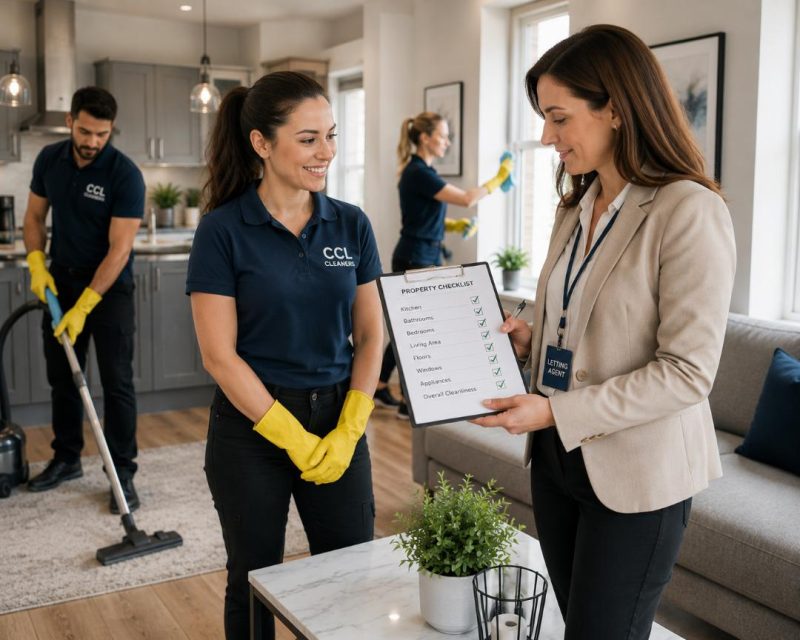
Getting your full deposit back requires careful attention throughout your tenancy. A professional end of tenancy cleaning can make a significant difference in ensuring your deposit is returned in full.
Expert cleaners focus on deep-cleaning kitchens, bathrooms, carpets, and other high-traffic areas, leaving the property spotless and in line with landlord expectations. If you need a reliable service, CCL Cleaners offer thorough, trusted end-of-tenancy cleaning to help secure your full deposit.

End of tenancy cleaning
Hiring experienced cleaners not only saves you time and stress but also gives you confidence that the property meets professional standards.
If you’re unsure whether you can achieve the level of cleanliness required, calling CCL Cleaners can make the process seamless.
Our team tailored specific end of tenancy cleaning checklist, leaving the property in top condition and helping ensure there are no disputes over your deposit.
Investing in a such professional intervention can be a small cost compared to the potential loss of your hard-earned deposit.
To maximize your chances of receiving your full deposit, you need to take action from the very beginning of your tenancy.
Firstly, keep the property clean and well-maintained throughout your stay, as landlords often assess general upkeep when considering deposit returns.
In addition, documenting the property with photos or videos at move-in can protect you from unfair claims.
Furthermore, hiring a professional end-of-tenancy cleaning service, such as CCL Cleaners, ensures that kitchens, bathrooms, carpets, and other high-traffic areas meet inspection standards.
Finally, communicating openly with your landlord about expectations and completing minor repairs before check-out can help prevent disputes explains how to get your full deposit back from your landlord, if you rent privately follow Citizens Advice explains more about getting your tenancy deposit back.
Here’s a step-by-step guide:
1. Keep Your Property in Good Condition
- Routine maintenance: Clean regularly and fix minor issues as they arise.
- Avoid damage: Be mindful of walls, floors, appliances, and fixtures.
- Document everything: Take photos when you move in and throughout your tenancy, noting any existing damage.
2. Know Your Rights and Responsibilities
- Read your tenancy agreement: Understand what you’re responsible for in terms of cleaning, repairs, and general upkeep.
- Understand the law: In the UK, landlords can only make deductions for unpaid rent, damage beyond normal wear and tear, or missing items.
3. Communicate with Your Landlord
- Notify about repairs: Promptly inform your landlord about any issues to avoid disputes later.
- Agree on expectations: Confirm what the landlord considers acceptable cleaning and maintenance standards.
4. Conduct a Thorough Check-Out
- Clean thoroughly: Focus on kitchens, bathrooms, and any carpeted areas.
- Fix minor damage: Fill holes, replace light bulbs, and ensure appliances work.
- Take final photos: Document the property’s condition to protect yourself from unfair deductions.
5. Request Your Deposit Refund
- Submit a formal request: Contact your landlord or letting agent in writing, referencing your tenancy deposit protection scheme.
- Use the TDP scheme if needed: If the landlord refuses or disputes deductions, the scheme can mediate and decide fairly.
6. Resolve Disputes Professionally
- Provide evidence: Photos, receipts, and check-in/check-out reports help strengthen your case.
- Stay calm: Most disputes are resolved quickly when both parties communicate clearly.
Common Mistakes to Avoid
- Ignoring minor damage that could worsen over time.
- Failing to document the property at move-in.
- Not understanding your tenancy agreement.
- Leaving without giving proper notice or leaving the property dirty
What to Do After Your Tenancy Deposit Is Returned?

Getting your deposit back
After your landlord returns your tenancy deposit, check that the full amount arrived in your account. Review any deductions carefully and make sure the landlord clearly explains them.
Keeping detailed records of receipts, emails, and check-out reports protects you in case of future disputes.
Save photographs or videos of the property at the time you leave. They serve as proof that you maintained the property in good condition.
Also, keep copies of correspondence with your landlord or letting agent; this makes resolving any disagreements easier and faster.
If you notice any unfair deductions, act quickly. Contact your landlord to clarify the charges, and if needed, raise a dispute through your tenancy deposit protection scheme.
Most disputes resolve quickly when you provide evidence and maintain professional communication.
With your deposit safely back, you can confidently move into your next home knowing you handled your tenancy responsibly.
To stay organized, keep a record of:
- Deposit return receipts or confirmation emails
- Final check-out reports or photos of the property
- Any correspondence with your landlord or letting agent
Having these documents on hand can be invaluable if questions arise in the future or if you need references for your next rental. If any deductions seem unfair, you can use your records to raise a dispute with your landlord or the tenancy deposit protection scheme. With everything documented and your deposit safely back in your account, you can move forward confidently, knowing you’ve completed your tenancy responsibly and left the property in excellent condition.
Top Tips to Ensure You Get Your Full Deposit Back
- Document Everything from Day One
Take clear photos or videos when you move in, noting any scratches, marks, or damages. Keep a copy for yourself—this is your strongest evidence if any disputes arise. - Read Your Tenancy Agreement Carefully
Understand your obligations regarding cleaning, repairs, and maintenance. Knowing exactly what your landlord expects helps you avoid unnecessary deductions. - Keep the Property Clean and Well-Maintained
Regularly clean high-traffic areas and attend to minor repairs, like leaking taps or loose handles. Small fixes prevent bigger issues later. - Hire a Professional End-of-Tenancy Cleaning Service
Landlords often expect a deep clean that goes beyond your regular efforts. Professionals, such as CCL Cleaners, ensure kitchens, bathrooms, carpets, and corners meet inspection standards. - Communicate with Your Landlord
Notify your landlord of repairs or any potential issues before moving out. Agree on expectations for cleanliness and condition to avoid surprises during the check-out. - Perform a Final Check Yourself
Walk through the property, compare it to your move-in photos, and address anything that might raise concerns. Take final photos for evidence. - Return All Keys and Documents
Make sure you hand back every key, garage fob, or access card. Missing items can lead to deposit deductions. - Keep Records of Everything
Save receipts for repairs, cleaning services, and communication with your landlord. This documentation can help resolve disputes quickly. - Understand What Deductions Are Legitimate
Landlords can only deduct for damage beyond normal wear and tear, unpaid rent, or missing items. Anything else can be challenged. - Use the Deposit Protection Scheme if Needed
If your landlord refuses to return your full deposit, contact your TDP scheme. They provide a fair and impartial resolution process.
By following these steps and staying proactive throughout your tenancy, you can confidently secure your full deposit and move on to your next home stress-free!